A searchable tutorial succeeds when the viewer recognizes the question and can follow the answer. Metadata matters, but it cannot rescue footage that hides the crucial action, narration that postpones the answer or captions that contradict the demonstration. Video SEO therefore starts at the shot list, not at the upload screen.
This guide is for creators filming practical education: recipes, software concepts, crafts, repairs, fitness movements, product use and similar demonstrations. It focuses on durable alignment principles rather than unverified algorithm claims. Search and recommendation systems change; a precise answer with legible proof remains useful.
Choose one search job
Phrase the topic as the action, comparison or diagnosis the viewer is trying to complete. This matters because improve discoverability through tutorial design depends on the viewer experiencing a coherent chain of decisions, not a pile of isolated optimizations. Apply the idea to one real draft, record what changed, and keep the evidence alongside the project so the next decision starts from observation rather than memory.
Narrow broad subjects until one short video can provide a truthful result. In practical terms, inspect the material at normal viewing speed and then again frame by frame where necessary. Ask what a first-time viewer can actually infer. If the answer relies on knowledge that exists only in the creator's head, revise the scene, wording or sequence until the intended meaning is visible.
List prerequisites that must be stated so the answer does not mislead beginners. The useful standard is not perfection; it is a clear reason for the choice. Write that reason in the production notes. When results differ from expectations, you can then distinguish a weak hypothesis from poor execution, unusual distribution or a context that changed after publication.
Plan the answer before the hook
Write the minimum correct answer in one or two sentences. A common mistake is to solve the easiest visible symptom while leaving the underlying mismatch intact. Before changing anything, name the audience, the promised outcome and the evidence the viewer receives. That short check prevents technical polish from disguising an editorial problem.
Decide what visual evidence makes the answer credible instead of relying on confident delivery. Treat this as a checkpoint rather than a rigid rule. Different subjects, audiences and platforms can require different pacing and presentation. Preserve the principle, test the implementation on representative material, and adapt only when the evidence gives you a specific reason.
Build supporting context around the answer rather than delaying it for suspense. This matters because improve discoverability through tutorial design depends on the viewer experiencing a coherent chain of decisions, not a pile of isolated optimizations. Apply the idea to one real draft, record what changed, and keep the evidence alongside the project so the next decision starts from observation rather than memory.
Turn intent into a shot list
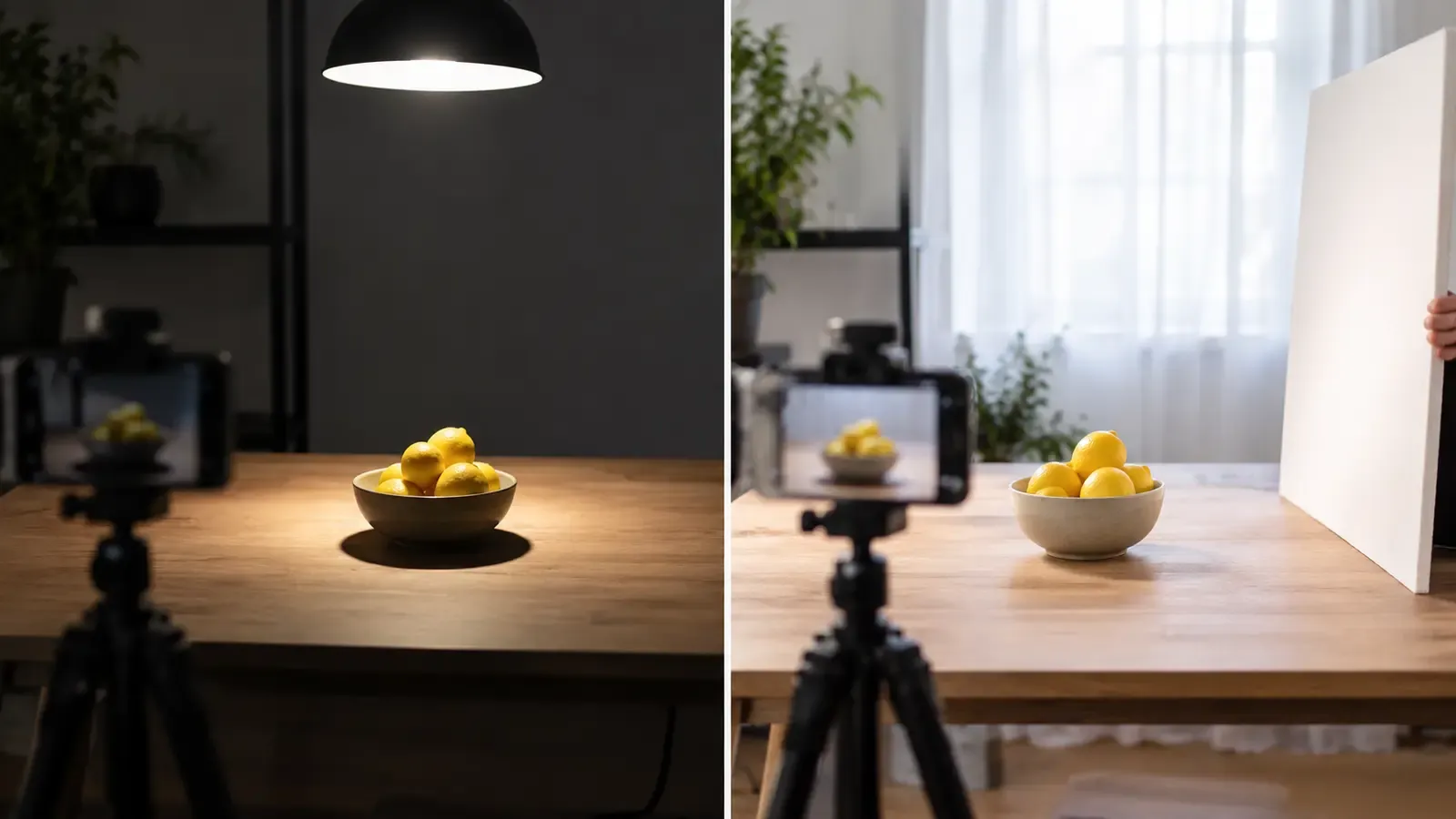
Assign a shot to every action the viewer must identify or imitate. In practical terms, inspect the material at normal viewing speed and then again frame by frame where necessary. Ask what a first-time viewer can actually infer. If the answer relies on knowledge that exists only in the creator's head, revise the scene, wording or sequence until the intended meaning is visible.
Use close-ups for precision, wider frames for orientation and cutaways for hidden transitions. The useful standard is not perfection; it is a clear reason for the choice. Write that reason in the production notes. When results differ from expectations, you can then distinguish a weak hypothesis from poor execution, unusual distribution or a context that changed after publication.
Capture a clear result shot that matches the searcher’s desired outcome. A common mistake is to solve the easiest visible symptom while leaving the underlying mismatch intact. Before changing anything, name the audience, the promised outcome and the evidence the viewer receives. That short check prevents technical polish from disguising an editorial problem.
Record a clean explanation
Reduce room noise and place the microphone consistently before buying more elaborate equipment. Treat this as a checkpoint rather than a rigid rule. Different subjects, audiences and platforms can require different pacing and presentation. Preserve the principle, test the implementation on representative material, and adapt only when the evidence gives you a specific reason.
Use short sentences that align with visible actions and leave room for natural pauses. This matters because improve discoverability through tutorial design depends on the viewer experiencing a coherent chain of decisions, not a pile of isolated optimizations. Apply the idea to one real draft, record what changed, and keep the evidence alongside the project so the next decision starts from observation rather than memory.
Record alternate wording for technical steps that may be hard to understand. In practical terms, inspect the material at normal viewing speed and then again frame by frame where necessary. Ask what a first-time viewer can actually infer. If the answer relies on knowledge that exists only in the creator's head, revise the scene, wording or sequence until the intended meaning is visible.
Design captions for meaning and access
Correct automatic transcripts because unreviewed captions can misrepresent names and instructions. The useful standard is not perfection; it is a clear reason for the choice. Write that reason in the production notes. When results differ from expectations, you can then distinguish a weak hypothesis from poor execution, unusual distribution or a context that changed after publication.
Break lines at natural phrases and avoid covering the action being demonstrated. A common mistake is to solve the easiest visible symptom while leaving the underlying mismatch intact. Before changing anything, name the audience, the promised outcome and the evidence the viewer receives. That short check prevents technical polish from disguising an editorial problem.
Include meaningful non-speech audio when it is needed to understand the tutorial. Treat this as a checkpoint rather than a rigid rule. Different subjects, audiences and platforms can require different pacing and presentation. Preserve the principle, test the implementation on representative material, and adapt only when the evidence gives you a specific reason.
Write supporting metadata
Use the audience’s natural wording in the title or caption without repeating it mechanically. This matters because improve discoverability through tutorial design depends on the viewer experiencing a coherent chain of decisions, not a pile of isolated optimizations. Apply the idea to one real draft, record what changed, and keep the evidence alongside the project so the next decision starts from observation rather than memory.
Describe scope, prerequisites and result so a searcher can judge relevance. In practical terms, inspect the material at normal viewing speed and then again frame by frame where necessary. Ask what a first-time viewer can actually infer. If the answer relies on knowledge that exists only in the creator's head, revise the scene, wording or sequence until the intended meaning is visible.
Add only contextually useful tags and avoid implying affiliation with platforms or brands. The useful standard is not perfection; it is a clear reason for the choice. Write that reason in the production notes. When results differ from expectations, you can then distinguish a weak hypothesis from poor execution, unusual distribution or a context that changed after publication.
Verify the tutorial before publishing
Follow the instructions from the exported file as if you were a first-time viewer. A common mistake is to solve the easiest visible symptom while leaving the underlying mismatch intact. Before changing anything, name the audience, the promised outcome and the evidence the viewer receives. That short check prevents technical polish from disguising an editorial problem.
Check that crop, compression and caption placement preserve every essential detail. Treat this as a checkpoint rather than a rigid rule. Different subjects, audiences and platforms can require different pacing and presentation. Preserve the principle, test the implementation on representative material, and adapt only when the evidence gives you a specific reason.
Ask a reviewer to identify the promised result and first action without additional explanation. This matters because improve discoverability through tutorial design depends on the viewer experiencing a coherent chain of decisions, not a pile of isolated optimizations. Apply the idea to one real draft, record what changed, and keep the evidence alongside the project so the next decision starts from observation rather than memory.
Measure query fit
Look for comments and search analytics that reveal what viewers thought the question was. In practical terms, inspect the material at normal viewing speed and then again frame by frame where necessary. Ask what a first-time viewer can actually infer. If the answer relies on knowledge that exists only in the creator's head, revise the scene, wording or sequence until the intended meaning is visible.
Separate production failure from topic mismatch when evaluating weak results. The useful standard is not perfection; it is a clear reason for the choice. Write that reason in the production notes. When results differ from expectations, you can then distinguish a weak hypothesis from poor execution, unusual distribution or a context that changed after publication.
Use recurring follow-up questions to design genuinely distinct supporting articles or videos. A common mistake is to solve the easiest visible symptom while leaving the underlying mismatch intact. Before changing anything, name the audience, the promised outcome and the evidence the viewer receives. That short check prevents technical polish from disguising an editorial problem.
Update and archive responsibly
Date instructions when tools or interfaces may change. Treat this as a checkpoint rather than a rigid rule. Different subjects, audiences and platforms can require different pacing and presentation. Preserve the principle, test the implementation on representative material, and adapt only when the evidence gives you a specific reason.
Keep editable masters and source notes so corrections do not start from a compressed social upload. This matters because improve discoverability through tutorial design depends on the viewer experiencing a coherent chain of decisions, not a pile of isolated optimizations. Apply the idea to one real draft, record what changed, and keep the evidence alongside the project so the next decision starts from observation rather than memory.
When saving reference media, limit it to work you created, own, or have permission or another lawful right to use. In practical terms, inspect the material at normal viewing speed and then again frame by frame where necessary. Ask what a first-time viewer can actually infer. If the answer relies on knowledge that exists only in the creator's head, revise the scene, wording or sequence until the intended meaning is visible.
Keep a decision log
A decision log turns improve discoverability through tutorial design into a process that another person—or your future self—can audit. Record the project, intended audience, working assumption, selected change and the evidence you expect to observe. Add the date and the version of the source material. This is deliberately lighter than a formal report, but it prevents a successful result from becoming a vague memory and a failed result from being dismissed without learning.
Include rejected options as well as the chosen one. For this workflow, the most useful rejected options are usually changes that solved a surface symptom, exceeded the available production time or weakened the promise to creators making demonstrations for social search. A short reason is enough. The record becomes especially valuable when several people handle planning, filming, editing and publication, because it exposes where assumptions changed between stages.
Review the log only after the agreed observation window. Mark what you know, what remains uncertain and what you would test next. Do not rewrite the original hypothesis to make the outcome look predictable. Honest production records improve editorial judgment, protect factual integrity and help creators reuse the parts of a workflow that actually earned their place.
Put the workflow into practice
The strongest next step is deliberately small: choose one active project, use the checkpoints above, and save the decisions with the source material. That creates a usable feedback loop instead of a collection of disconnected tips. Continue with Turn TikTok Creator Search Insights Into a Useful Video Series, or browse the AnyVid.io blog for more production and planning resources. If you need to preserve reference media, work only with media you created, own, or have permission or another lawful right to save, and review the site terms for the applicable service conditions.
Frequently asked questions
Does video SEO begin with keywords?
It begins with audience intent. Search wording helps you understand and label that intent, but the video must still answer the question. Plan the minimum correct answer, necessary proof and shots first; then use natural language in the title, caption, speech and captions.
Should the answer appear immediately?
Give viewers enough information to confirm that the video addresses their question. Some demonstrations need setup or a safety warning before the full answer. The principle is not “reveal everything in one second”; it is to avoid withholding essential relevance for artificial suspense.
Are automatic captions enough?
Automatic captions are a useful draft, not a guaranteed final version. Review names, technical terms, timing, line breaks and meaningful non-speech audio. The W3C notes that automatically generated captions generally need editing to meet user needs.
Do hashtags make a tutorial searchable?
Hashtags can provide context, but they are only one signal and should not replace a clear subject, accurate caption and useful video. Platform behavior changes, so avoid treating a fixed hashtag formula as a guarantee. Use a concise set that genuinely describes the tutorial.
How can I update an outdated tutorial?
Correct the source script, record changed steps and publish a clearly labeled update. If the older version could cause harm or serious confusion, add context or remove it where appropriate. Keep project files and dated source notes to make revisions efficient.
Was this article helpful?
Tell us what worked so we can improve future content.