Search data can reduce blank-page anxiety, but it cannot choose your editorial judgment. TikTok’s Creator Search Insights surfaces topics people search for and includes tools for exploring topics and search analytics. Availability and specific filters can differ by region, account and rollout, so the safest workflow begins with what is visible in your own app and treats every topic as a clue—not a ready-made script.
This strategy takes a candidate search topic through intent validation, episode design, filming and review. It is built for original work. The goal is not to mimic the current top result; it is to understand the question behind the query and create a clearer, more useful response in your own voice.
Open the current tool and document access
Follow TikTok’s current support path, which may involve searching for Creator Search Insights in the app. This matters because implement search-led TikTok planning depends on the viewer experiencing a coherent chain of decisions, not a pile of isolated optimizations. Apply the idea to one real draft, record what changed, and keep the evidence alongside the project so the next decision starts from observation rather than memory.
Record which filters and analytics your account actually shows instead of relying on another creator’s screenshot. In practical terms, inspect the material at normal viewing speed and then again frame by frame where necessary. Ask what a first-time viewer can actually infer. If the answer relies on knowledge that exists only in the creator's head, revise the scene, wording or sequence until the intended meaning is visible.
Treat missing features as a rollout difference and continue with manual search observation when necessary. The useful standard is not perfection; it is a clear reason for the choice. Write that reason in the production notes. When results differ from expectations, you can then distinguish a weak hypothesis from poor execution, unusual distribution or a context that changed after publication.
Collect relevant topics, not merely large ones
Start with terms tightly connected to problems you can credibly solve. A common mistake is to solve the easiest visible symptom while leaving the underlying mismatch intact. Before changing anything, name the audience, the promised outcome and the evidence the viewer receives. That short check prevents technical polish from disguising an editorial problem.
Notice content-gap indicators where available but verify that the gap matches your intended audience. Treat this as a checkpoint rather than a rigid rule. Different subjects, audiences and platforms can require different pacing and presentation. Preserve the principle, test the implementation on representative material, and adapt only when the evidence gives you a specific reason.
Save the exact phrasing alongside broader related questions so nuance is not lost. This matters because implement search-led TikTok planning depends on the viewer experiencing a coherent chain of decisions, not a pile of isolated optimizations. Apply the idea to one real draft, record what changed, and keep the evidence alongside the project so the next decision starts from observation rather than memory.
Identify the job behind the query
Classify whether the searcher wants a definition, demonstration, comparison, diagnosis or buying decision. In practical terms, inspect the material at normal viewing speed and then again frame by frame where necessary. Ask what a first-time viewer can actually infer. If the answer relies on knowledge that exists only in the creator's head, revise the scene, wording or sequence until the intended meaning is visible.
Inspect recurring questions and ambiguities without copying another creator’s script or visuals. The useful standard is not perfection; it is a clear reason for the choice. Write that reason in the production notes. When results differ from expectations, you can then distinguish a weak hypothesis from poor execution, unusual distribution or a context that changed after publication.
Rewrite the topic as one sentence describing what a satisfied viewer can do afterward. A common mistake is to solve the easiest visible symptom while leaving the underlying mismatch intact. Before changing anything, name the audience, the promised outcome and the evidence the viewer receives. That short check prevents technical polish from disguising an editorial problem.
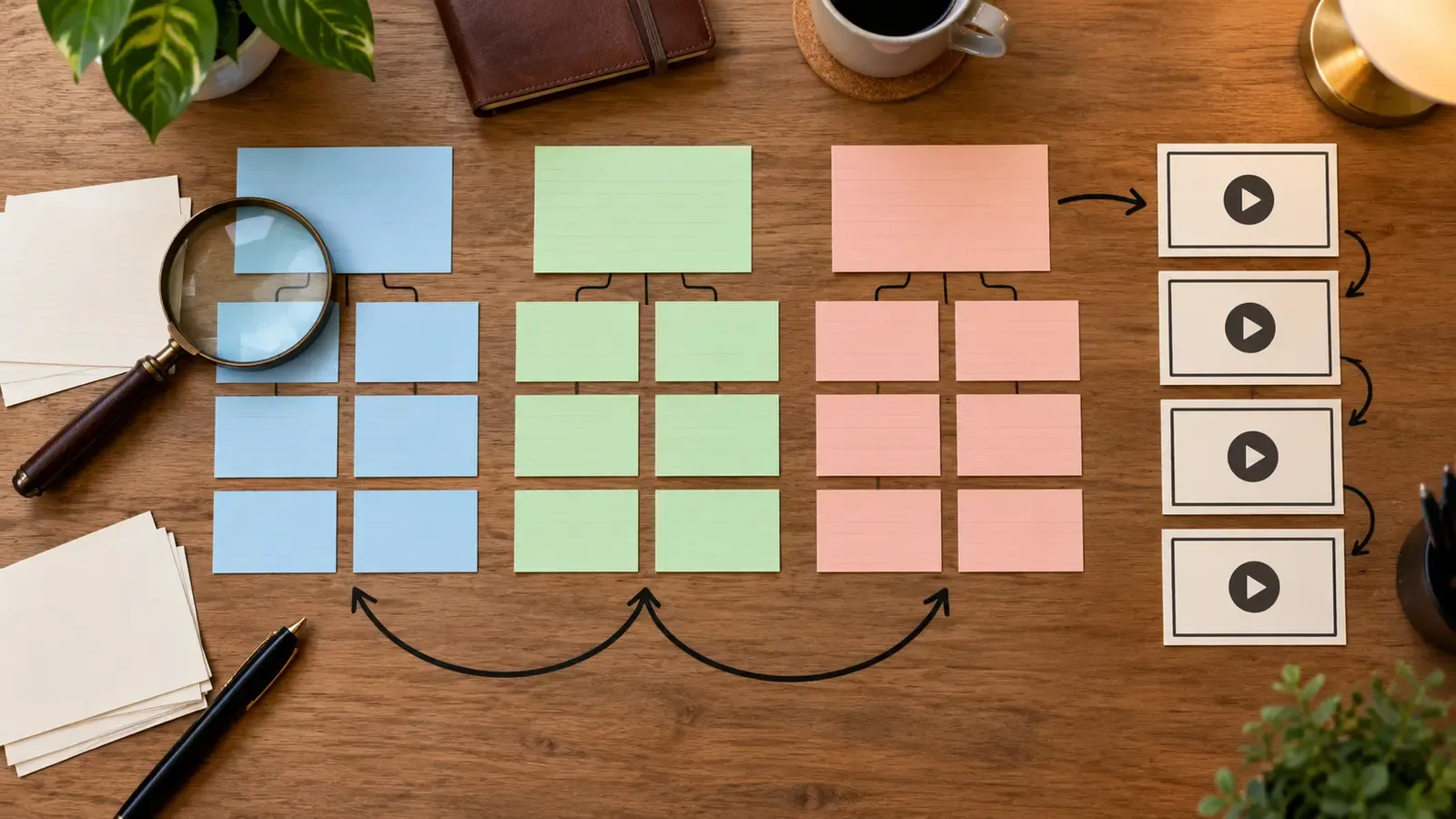
Build a series from meaningful branches
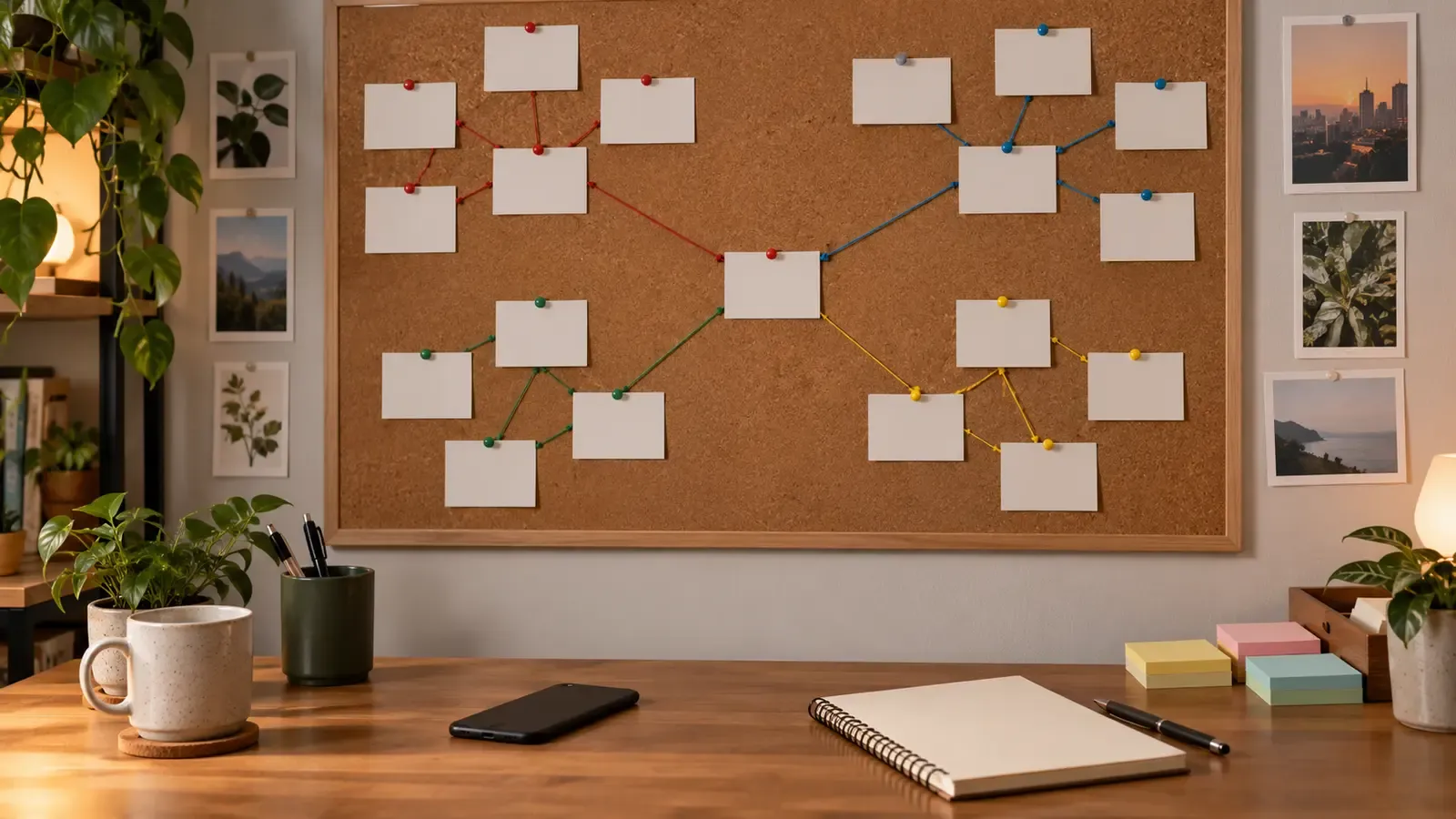
Split a broad query into beginner setup, common mistake, comparison, advanced variation and troubleshooting branches. Treat this as a checkpoint rather than a rigid rule. Different subjects, audiences and platforms can require different pacing and presentation. Preserve the principle, test the implementation on representative material, and adapt only when the evidence gives you a specific reason.
Reject branches that repeat the same answer with cosmetic changes. This matters because implement search-led TikTok planning depends on the viewer experiencing a coherent chain of decisions, not a pile of isolated optimizations. Apply the idea to one real draft, record what changed, and keep the evidence alongside the project so the next decision starts from observation rather than memory.
Order episodes by audience need rather than assumed algorithmic advantage. In practical terms, inspect the material at normal viewing speed and then again frame by frame where necessary. Ask what a first-time viewer can actually infer. If the answer relies on knowledge that exists only in the creator's head, revise the scene, wording or sequence until the intended meaning is visible.
Align the script with the search
Name the subject naturally in speech and on-screen captions when it aids clarity. The useful standard is not perfection; it is a clear reason for the choice. Write that reason in the production notes. When results differ from expectations, you can then distinguish a weak hypothesis from poor execution, unusual distribution or a context that changed after publication.
Answer the core question early, then earn extra detail through demonstration or proof. A common mistake is to solve the easiest visible symptom while leaving the underlying mismatch intact. Before changing anything, name the audience, the promised outcome and the evidence the viewer receives. That short check prevents technical polish from disguising an editorial problem.
Avoid keyword repetition that makes a human explanation stiff or misleading. Treat this as a checkpoint rather than a rigid rule. Different subjects, audiences and platforms can require different pacing and presentation. Preserve the principle, test the implementation on representative material, and adapt only when the evidence gives you a specific reason.
Film original evidence
Use your own demonstrations, tests, examples and commentary to create independent value. This matters because implement search-led TikTok planning depends on the viewer experiencing a coherent chain of decisions, not a pile of isolated optimizations. Apply the idea to one real draft, record what changed, and keep the evidence alongside the project so the next decision starts from observation rather than memory.
Distinguish observation from certainty when explaining platform behavior you cannot verify. In practical terms, inspect the material at normal viewing speed and then again frame by frame where necessary. Ask what a first-time viewer can actually infer. If the answer relies on knowledge that exists only in the creator's head, revise the scene, wording or sequence until the intended meaning is visible.
Keep source notes for factual claims and update time-sensitive episodes when features change. The useful standard is not perfection; it is a clear reason for the choice. Write that reason in the production notes. When results differ from expectations, you can then distinguish a weak hypothesis from poor execution, unusual distribution or a context that changed after publication.
Publish with accurate context
Write a caption that clarifies the problem and scope rather than stacking unrelated keywords. A common mistake is to solve the easiest visible symptom while leaving the underlying mismatch intact. Before changing anything, name the audience, the promised outcome and the evidence the viewer receives. That short check prevents technical polish from disguising an editorial problem.
Use a cover or opening frame that lets the intended viewer recognize the subject. Treat this as a checkpoint rather than a rigid rule. Different subjects, audiences and platforms can require different pacing and presentation. Preserve the principle, test the implementation on representative material, and adapt only when the evidence gives you a specific reason.
Disclose sponsorships, affiliate relationships and relevant AI alteration clearly where required. This matters because implement search-led TikTok planning depends on the viewer experiencing a coherent chain of decisions, not a pile of isolated optimizations. Apply the idea to one real draft, record what changed, and keep the evidence alongside the project so the next decision starts from observation rather than memory.
Read search analytics as feedback
Use the search analytics available to your account to see which queries and posts connect. In practical terms, inspect the material at normal viewing speed and then again frame by frame where necessary. Ask what a first-time viewer can actually infer. If the answer relies on knowledge that exists only in the creator's head, revise the scene, wording or sequence until the intended meaning is visible.
Compare viewer questions with the intent you planned and note mismatches. The useful standard is not perfection; it is a clear reason for the choice. Write that reason in the production notes. When results differ from expectations, you can then distinguish a weak hypothesis from poor execution, unusual distribution or a context that changed after publication.
Revise future episode branches instead of retrofitting unsupported conclusions onto one result. A common mistake is to solve the easiest visible symptom while leaving the underlying mismatch intact. Before changing anything, name the audience, the promised outcome and the evidence the viewer receives. That short check prevents technical polish from disguising an editorial problem.
Maintain and prune the cluster
Create follow-ups when new questions genuinely extend the topic. Treat this as a checkpoint rather than a rigid rule. Different subjects, audiences and platforms can require different pacing and presentation. Preserve the principle, test the implementation on representative material, and adapt only when the evidence gives you a specific reason.
Retire outdated instructions and point viewers toward a corrected version when a feature changes. This matters because implement search-led TikTok planning depends on the viewer experiencing a coherent chain of decisions, not a pile of isolated optimizations. Apply the idea to one real draft, record what changed, and keep the evidence alongside the project so the next decision starts from observation rather than memory.
Keep a stable archive of scripts, sources and owned media so updates remain efficient. In practical terms, inspect the material at normal viewing speed and then again frame by frame where necessary. Ask what a first-time viewer can actually infer. If the answer relies on knowledge that exists only in the creator's head, revise the scene, wording or sequence until the intended meaning is visible.
Keep a decision log
A decision log turns implement search-led TikTok planning into a process that another person—or your future self—can audit. Record the project, intended audience, working assumption, selected change and the evidence you expect to observe. Add the date and the version of the source material. This is deliberately lighter than a formal report, but it prevents a successful result from becoming a vague memory and a failed result from being dismissed without learning.
Include rejected options as well as the chosen one. For this workflow, the most useful rejected options are usually changes that solved a surface symptom, exceeded the available production time or weakened the promise to TikTok creators with access to Creator Search Insights who need a method beyond copying trends. A short reason is enough. The record becomes especially valuable when several people handle planning, filming, editing and publication, because it exposes where assumptions changed between stages.
Review the log only after the agreed observation window. Mark what you know, what remains uncertain and what you would test next. Do not rewrite the original hypothesis to make the outcome look predictable. Honest production records improve editorial judgment, protect factual integrity and help creators reuse the parts of a workflow that actually earned their place.
Put the workflow into practice
The strongest next step is deliberately small: choose one active project, use the checkpoints above, and save the decisions with the source material. That creates a usable feedback loop instead of a collection of disconnected tips. Continue with Film Searchable Short-Form Tutorials That Answer One Question Well, or browse the AnyVid.io blog for more production and planning resources. If you need to preserve reference media, work only with media you created, own, or have permission or another lawful right to save, and review the site terms for the applicable service conditions.
Frequently asked questions
Where is Creator Search Insights in TikTok?
TikTok’s current support guidance says creators can search for “Creator Search Insights” in the app and open the result. The path, filters and availability may vary by region, account, device or rollout, so consult TikTok Support and the interface shown on your account.
Is a content gap a guaranteed opportunity?
No. It is a research signal, not a promise of distribution or performance. Confirm that the topic fits your expertise, audience and production strengths. A gap may exist because the query is ambiguous, seasonal, poorly served or difficult to answer well.
Should I say the keyword repeatedly in the video?
Use the subject naturally where it helps a person understand the video. Repetition for its own sake can reduce clarity and trust. A strong response aligns the opening, explanation, visuals and caption with the same intent without sounding mechanically optimized.
Can I copy the structure of top search results?
You can study what information viewers encounter, but your video should contribute original expression, evidence and organization. Avoid copying scripts, distinctive sequences, footage or creative choices. Build from the underlying audience question and your own credible way of answering it.
How often should I review search-led videos?
Use a cadence that matches your publishing volume and the speed of change in the topic. A monthly review may suit evergreen education, while fast-changing features need earlier checks. The purpose is to spot intent mismatches and outdated instructions, not to overreact to daily volatility.
Was this article helpful?
Tell us what worked so we can improve future content.