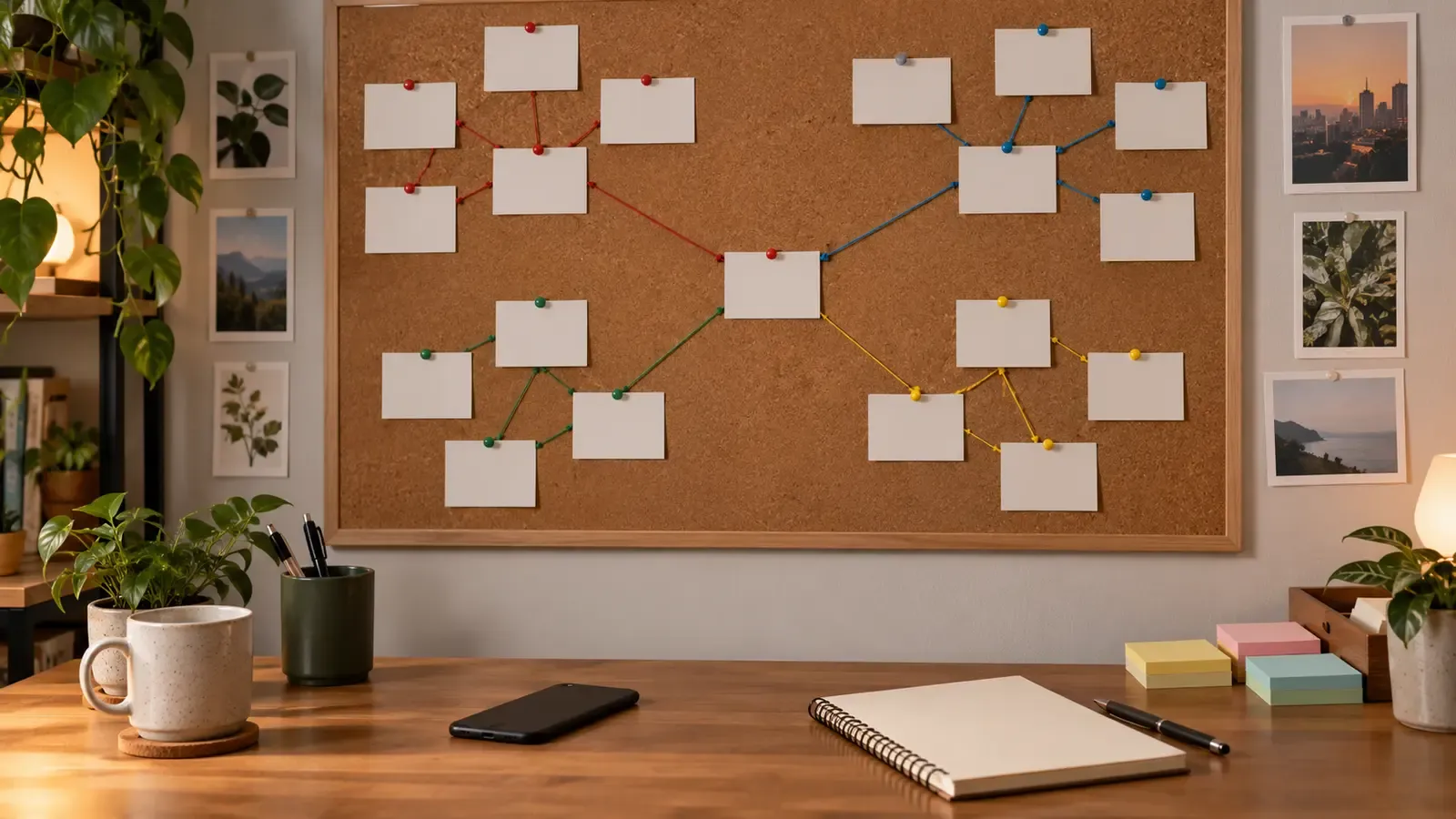
Comments are not a democratic content calendar. The loudest request may come from one persistent account; a repeated phrase may be a joke; a sincere question may be buried under reactions. Still, comments contain language, misunderstandings and objections that a research dashboard cannot invent. The work is to extract those signals without treating every message as a command.
TikTok currently offers Comment Insights in some contexts, using AI to summarize topics and questions. Availability can vary, and automated summaries can flatten nuance. This workflow combines any available tool with human reading, a simple classification board and an editorial test that asks whether a response fits your audience and expertise.
Collect comments with boundaries
Choose a fixed review window instead of checking continuously throughout the day. That sounds simple until a real deadline compresses the choices. The practical move is to decide what the viewer must notice, what the creator must preserve, and what can safely vary. Write those three things beside the project before changing tools or adding polish. A visible decision is easier to review than an instinct remembered after publishing.
Separate research capture from moderation, support and personal replies. Test the idea on the roughest useful version, not on a finished piece that is expensive to change. Watch it once as a viewer and once as an editor. During the viewer pass, note confusion without stopping. During the editor pass, trace each confusing moment back to a shot, sentence, transition or missing piece of evidence.
Protect private information and avoid copying identifiable stories into planning documents without permission. There is a trade-off here. Consistency reduces effort and helps recognition, but too much consistency can hide weak thinking. Keep the part that carries meaning stable; vary the part that merely expresses it. This gives the workflow a backbone without turning every post into a duplicate of the last one.
Classify four useful signals
Sort genuine questions, objections, personal stories and recurring confusion into separate groups. A common failure is to optimize the visible symptom while leaving the cause untouched. Before acting, name the audience, the job they are trying to complete and the proof they receive. If those three elements do not agree, a more attractive edit may improve appearance while making the communication less honest.
Create a noise pile for spam, harassment, jokes and requests outside your remit. Treat the result as evidence rather than a personal grade. Record what changed, the conditions around the change and what you expected to happen. That note lets you compare similar projects later without inventing a story around one unusually strong or weak result.
Keep ambiguous comments unclassified until context makes their intent clearer. The checkpoint should be quick enough to survive ordinary production. If it requires a perfect studio, a large team or an hour of analysis for every post, it will disappear when work gets busy. Reduce it to a repeatable question, a visible artifact and a clear pass condition.

Use automated insights carefully
Compare an AI-generated summary with a sample of the original comments. Ask a second person to explain what they think the piece promises before you tell them your intention. Their wording is useful even when you disagree. It reveals what the material communicates without the creator's private context, which is exactly the gap that viewers face.
Look for minority questions that a summary may hide even though they matter to your niche. That sounds simple until a real deadline compresses the choices. The practical move is to decide what the viewer must notice, what the creator must preserve, and what can safely vary. Write those three things beside the project before changing tools or adding polish. A visible decision is easier to review than an instinct remembered after publishing.
Treat sentiment and topic labels as prompts for review, not facts about every commenter. Test the idea on the roughest useful version, not on a finished piece that is expensive to change. Watch it once as a viewer and once as an editor. During the viewer pass, note confusion without stopping. During the editor pass, trace each confusing moment back to a shot, sentence, transition or missing piece of evidence.
Score editorial fit, not raw volume
Ask whether you can answer accurately, originally and within the format. There is a trade-off here. Consistency reduces effort and helps recognition, but too much consistency can hide weak thinking. Keep the part that carries meaning stable; vary the part that merely expresses it. This gives the workflow a backbone without turning every post into a duplicate of the last one.
Prefer a smaller relevant question over a large off-topic demand. A common failure is to optimize the visible symptom while leaving the cause untouched. Before acting, name the audience, the job they are trying to complete and the proof they receive. If those three elements do not agree, a more attractive edit may improve appearance while making the communication less honest.
Reject ideas that require private advice, unsafe instruction or unsupported certainty. Treat the result as evidence rather than a personal grade. Record what changed, the conditions around the change and what you expected to happen. That note lets you compare similar projects later without inventing a story around one unusually strong or weak result.
Turn a comment into a useful brief
Rewrite the question without exposing the commenter or preserving accidental personal details. The checkpoint should be quick enough to survive ordinary production. If it requires a perfect studio, a large team or an hour of analysis for every post, it will disappear when work gets busy. Reduce it to a repeatable question, a visible artifact and a clear pass condition.
State the minimum answer, proof method and important limitation before scripting. Ask a second person to explain what they think the piece promises before you tell them your intention. Their wording is useful even when you disagree. It reveals what the material communicates without the creator's private context, which is exactly the gap that viewers face.
Decide whether one video is enough or a longer resource is more responsible. That sounds simple until a real deadline compresses the choices. The practical move is to decide what the viewer must notice, what the creator must preserve, and what can safely vary. Write those three things beside the project before changing tools or adding polish. A visible decision is easier to review than an instinct remembered after publishing.
Respond without manufacturing conflict
Quote or show a comment only when you have a sound reason and appropriate permission or platform context. Test the idea on the roughest useful version, not on a finished piece that is expensive to change. Watch it once as a viewer and once as an editor. During the viewer pass, note confusion without stopping. During the editor pass, trace each confusing moment back to a shot, sentence, transition or missing piece of evidence.
Answer the strongest version of an objection instead of humiliating a confused viewer. There is a trade-off here. Consistency reduces effort and helps recognition, but too much consistency can hide weak thinking. Keep the part that carries meaning stable; vary the part that merely expresses it. This gives the workflow a backbone without turning every post into a duplicate of the last one.
Avoid turning harassment into a recurring content engine that distorts your public identity. A common failure is to optimize the visible symptom while leaving the cause untouched. Before acting, name the audience, the job they are trying to complete and the proof they receive. If those three elements do not agree, a more attractive edit may improve appearance while making the communication less honest.
| Check | What to inspect |
|---|---|
| 1 | Quote or show a comment only when you have a sound reason and appropriate permission or platform context. |
| 2 | Answer the strongest version of an objection instead of humiliating a confused viewer. |
| 3 | Avoid turning harassment into a recurring content engine that distorts your public identity. |
Close the research loop
Watch for new questions created by the response and add only distinct ones to the backlog. Treat the result as evidence rather than a personal grade. Record what changed, the conditions around the change and what you expected to happen. That note lets you compare similar projects later without inventing a story around one unusually strong or weak result.
Measure whether viewers understood the answer rather than only counting replies. The checkpoint should be quick enough to survive ordinary production. If it requires a perfect studio, a large team or an hour of analysis for every post, it will disappear when work gets busy. Reduce it to a repeatable question, a visible artifact and a clear pass condition.
Update pinned context when a correction or platform change makes the original response incomplete. Ask a second person to explain what they think the piece promises before you tell them your intention. Their wording is useful even when you disagree. It reveals what the material communicates without the creator's private context, which is exactly the gap that viewers face.
Protect the larger calendar
Reserve a limited share of publishing space for comment-led posts. That sounds simple until a real deadline compresses the choices. The practical move is to decide what the viewer must notice, what the creator must preserve, and what can safely vary. Write those three things beside the project before changing tools or adding polish. A visible decision is easier to review than an instinct remembered after publishing.
Keep cornerstone topics and experiments that comments may never request. Test the idea on the roughest useful version, not on a finished piece that is expensive to change. Watch it once as a viewer and once as an editor. During the viewer pass, note confusion without stopping. During the editor pass, trace each confusing moment back to a shot, sentence, transition or missing piece of evidence.
Review whether the loop is improving audience understanding or merely increasing reactive work. There is a trade-off here. Consistency reduces effort and helps recognition, but too much consistency can hide weak thinking. Keep the part that carries meaning stable; vary the part that merely expresses it. This gives the workflow a backbone without turning every post into a duplicate of the last one.
Illustrative case study: one pottery question, three different intents
A pottery creator receives versions of “Why did it crack?” under a firing video. The comments look repetitive, but a closer read reveals three jobs: beginners want a definition of thermal shock, hobbyists want to diagnose a specific stage, and buyers wonder whether the finished mug is safe. Treating them as one topic would produce a vague answer.
The creator makes one diagnostic video for hobbyists and writes a separate buyer-facing safety note reviewed against appropriate product guidance. She saves the broad definition for a future beginner series. No performance numbers are invented; success is defined first as fewer ambiguous follow-up questions and clearer boundaries around what can be diagnosed remotely.
The case illustrates why volume alone is weak. A cluster of similar words can hide different risks and expectations. Human classification turns the raw comments into separate briefs, each with its own audience, evidence and limit.
Keep a working record
A lightweight record makes this process teachable. Save the brief, first draft, decisive changes, permissions or source notes, final export and one paragraph about the outcome. For TikTok creators who receive useful comments mixed with repetition, jokes, hostility and off-topic requests, that record is more valuable than a folder full of unnamed versions because it shows why a choice was made.
Keep rejected options too, especially when they looked attractive but weakened the audience promise, exceeded the budget or created a rights problem. A short reason is enough. Over several projects, these notes reveal recurring friction and help separate a workflow problem from a one-off production accident.
Review the record after the agreed observation window. Mark what you know, what remains uncertain and what deserves another test. Do not rewrite the original hypothesis to make the outcome seem predictable. Honest notes protect the usefulness of both successful and disappointing work.
Choose the next useful step
Apply the framework to one active project before expanding it into a larger system. The first pass should expose a concrete decision, not create more administration. Read Turn TikTok Creator Search Insights Into a Useful Video Series. Read Refresh Evergreen Video Pages Without Losing What Works. Browse the AnyVid.io blog for related creator education. When reference media is involved, use only media you created, own, or have permission or another lawful right to save.
Frequently asked questions
Should I answer every repeated question with a video?
No. First check whether the question fits your expertise, audience and editorial goals. Some questions need a short reply, a help resource, a moderation action or no response. Repetition is evidence of attention, not proof that a video is the right format.
Can Comment Insights replace reading comments?
It can accelerate sorting, but human review remains important. Automated summaries may miss sarcasm, minority concerns, context or harmful details. Compare summaries with original comments and do not publish claims about audience sentiment without checking the underlying material.
How do I use a commenter’s question without exposing them?
Paraphrase the question and remove names, profile images and personal details unless you have a clear reason and suitable permission or platform context to show the original. The audience problem usually matters more than the identity of the person who asked.
What belongs in the noise pile?
Spam, harassment, engagement bait, repeated jokes and requests unrelated to your scope can go there. Keep moderation decisions separate from research classification. A comment can be emotionally loud and still provide no useful editorial signal.
How much of my calendar should come from comments?
There is no universal percentage. Set a boundary that leaves room for cornerstone education, planned series and experiments. Review whether comment-led posts improve understanding and audience fit; if they mainly create reactive work, reduce the allocation.
Was this article helpful?
Tell us what worked so we can improve future content.