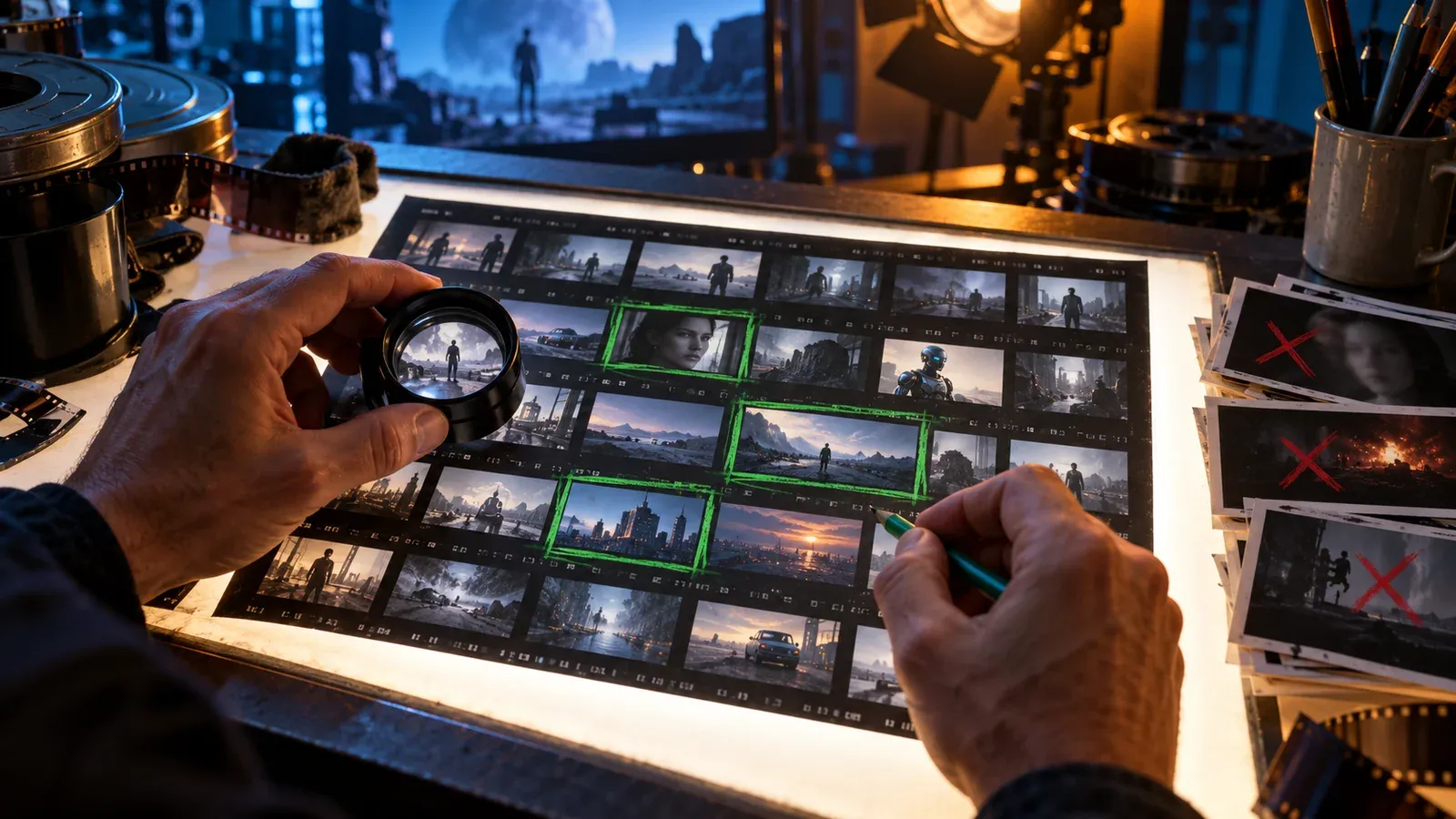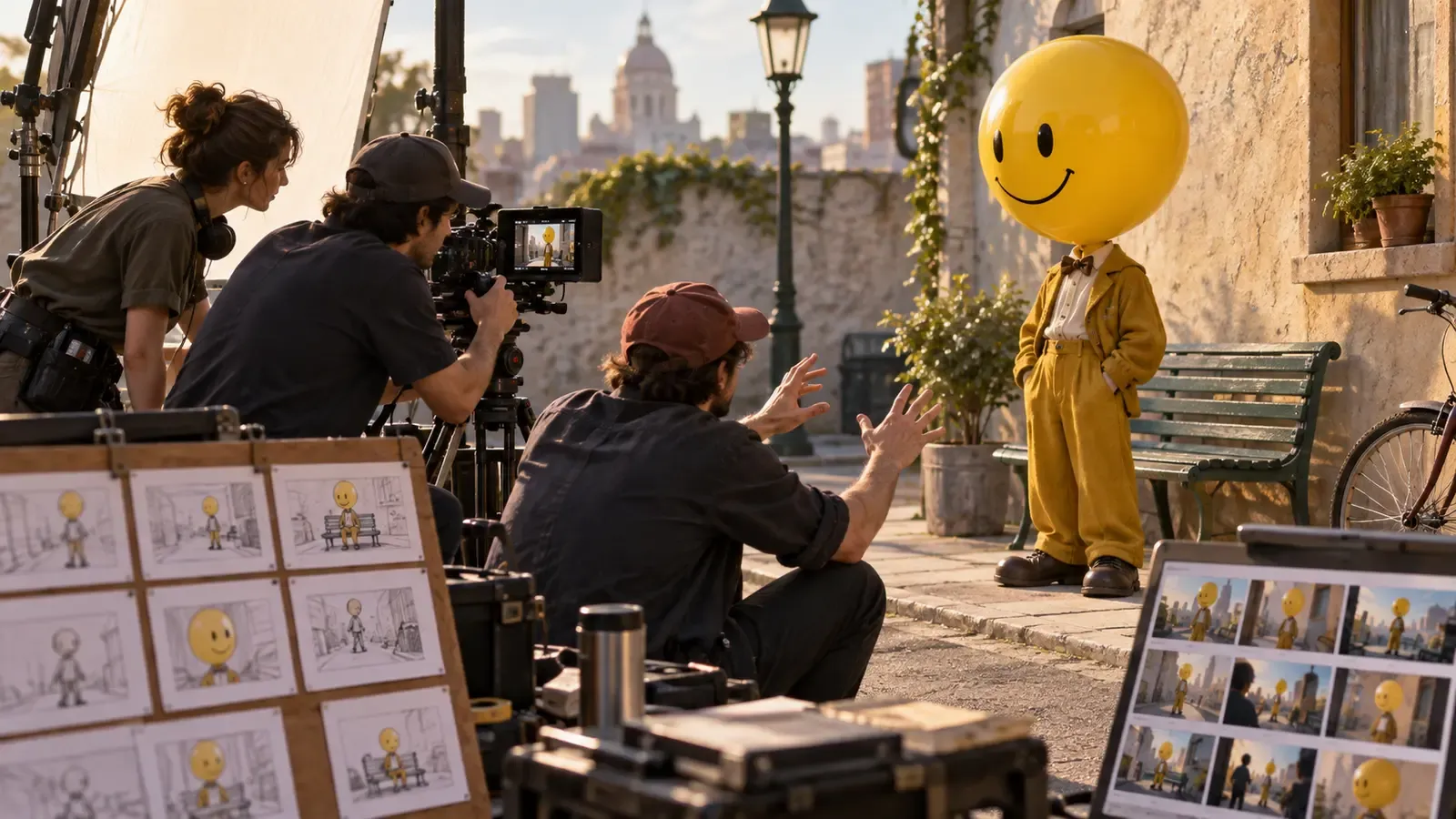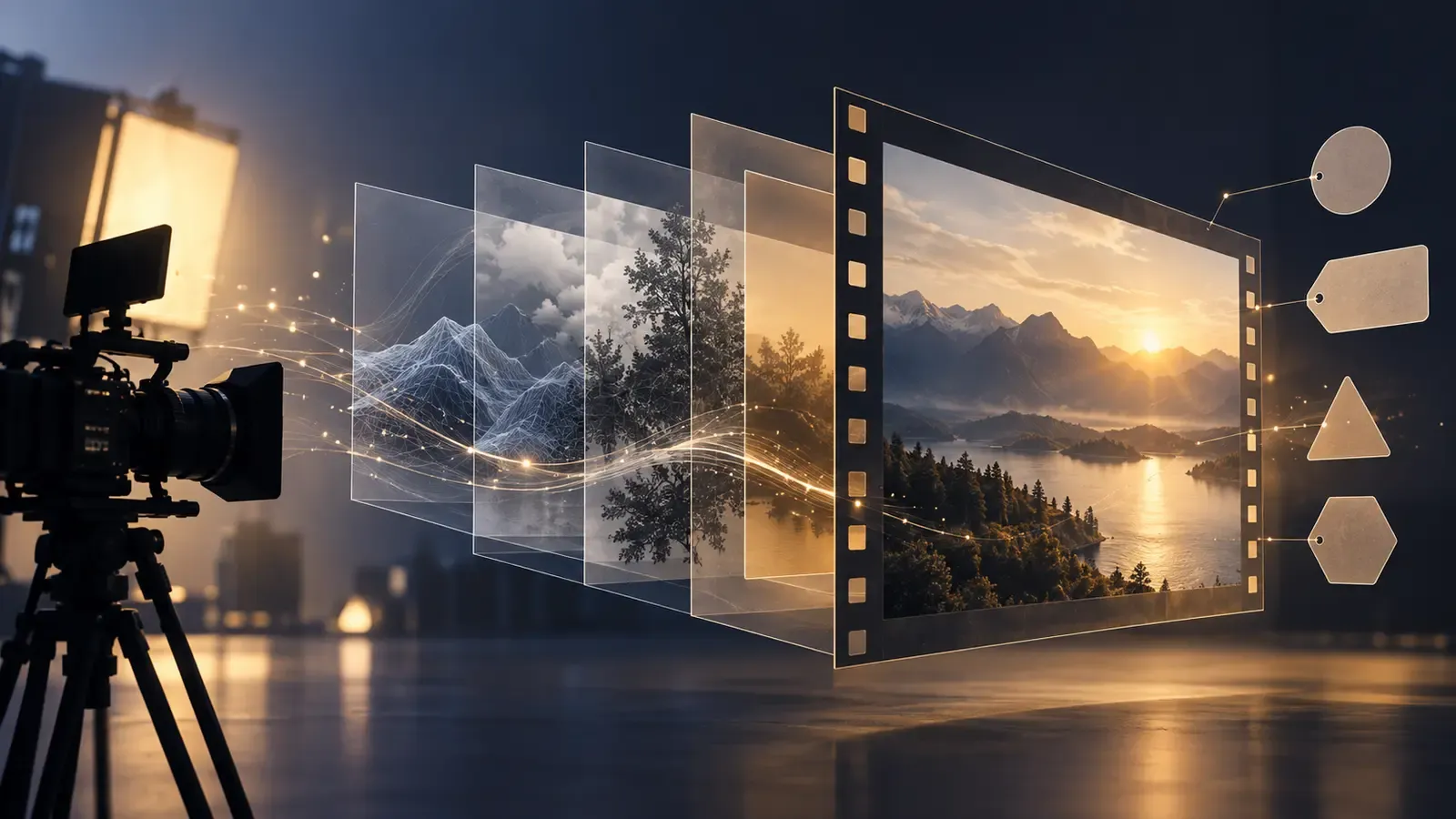
A generated shot can be beautiful and still be unusable. The face is close but not the same, the coat changes length, a bag moves shoulders, or the character becomes taller between cuts. Viewers may not name the error, yet the scene stops feeling continuous. Prompt length alone rarely solves it because continuity is a production system, not a magic adjective.
This guide adapts familiar film-continuity habits to generative video. It covers a character bible, reference views, shot-specific constraints, editorial review and selective regeneration. It does not promise perfect identity preservation, and it keeps responsible disclosure, permission and provenance from the earlier workflow in view.
Define the character invariants
Separate identity traits from wardrobe, props, mood and lighting. That sounds simple until a real deadline compresses the choices. The practical move is to decide what the viewer must notice, what the creator must preserve, and what can safely vary. Write those three things beside the project before changing tools or adding polish. A visible decision is easier to review than an instinct remembered after publishing.
Write only details that must survive every shot into the invariant list. Test the idea on the roughest useful version, not on a finished piece that is expensive to change. Watch it once as a viewer and once as an editor. During the viewer pass, note confusion without stopping. During the editor pass, trace each confusing moment back to a shot, sentence, transition or missing piece of evidence.
Avoid contradictory adjectives that give the generator room to redesign the character. There is a trade-off here. Consistency reduces effort and helps recognition, but too much consistency can hide weak thinking. Keep the part that carries meaning stable; vary the part that merely expresses it. This gives the workflow a backbone without turning every post into a duplicate of the last one.
Build a visual continuity bible
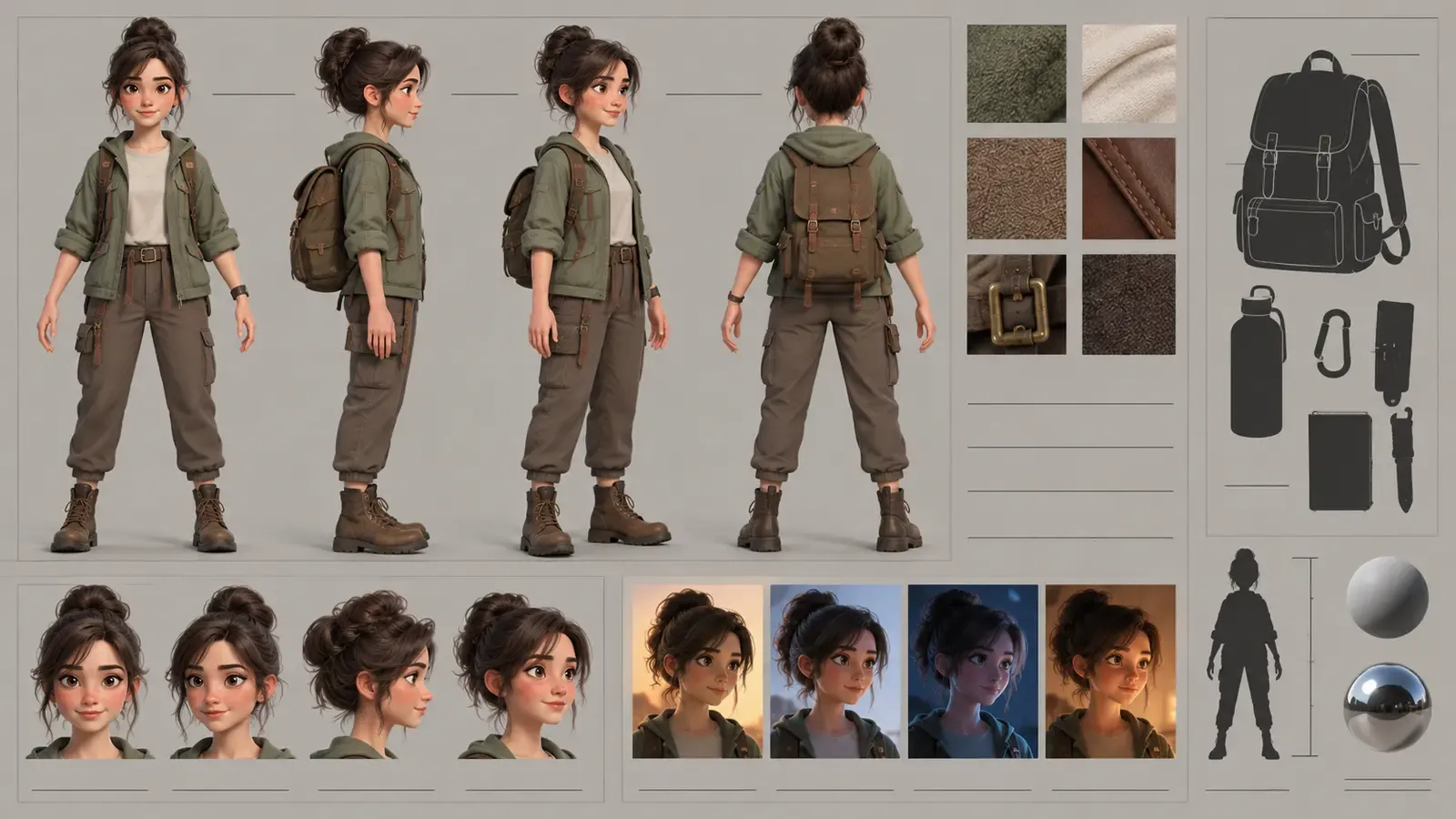
Create front, profile and three-quarter reference views in neutral conditions. A common failure is to optimize the visible symptom while leaving the cause untouched. Before acting, name the audience, the job they are trying to complete and the proof they receive. If those three elements do not agree, a more attractive edit may improve appearance while making the communication less honest.
Record costume layers, colors, materials, prop scale and distinguishing marks. Treat the result as evidence rather than a personal grade. Record what changed, the conditions around the change and what you expected to happen. That note lets you compare similar projects later without inventing a story around one unusually strong or weak result.
Include prohibited changes such as extra jewelry, different hair length or swapped hand dominance. The checkpoint should be quick enough to survive ordinary production. If it requires a perfect studio, a large team or an hour of analysis for every post, it will disappear when work gets busy. Reduce it to a repeatable question, a visible artifact and a clear pass condition.
Design the sequence before generating
Storyboard framing, action, screen direction and emotional beat before making finals. Ask a second person to explain what they think the piece promises before you tell them your intention. Their wording is useful even when you disagree. It reveals what the material communicates without the creator's private context, which is exactly the gap that viewers face.
Identify cuts where identity will be compared directly by the viewer. That sounds simple until a real deadline compresses the choices. The practical move is to decide what the viewer must notice, what the creator must preserve, and what can safely vary. Write those three things beside the project before changing tools or adding polish. A visible decision is easier to review than an instinct remembered after publishing.
Use forgiving transitions when a model struggles with an extreme angle or complex action. Test the idea on the roughest useful version, not on a finished piece that is expensive to change. Watch it once as a viewer and once as an editor. During the viewer pass, note confusion without stopping. During the editor pass, trace each confusing moment back to a shot, sentence, transition or missing piece of evidence.
Write shot-specific constraints
Repeat the essential invariant block without adding unnecessary new description. There is a trade-off here. Consistency reduces effort and helps recognition, but too much consistency can hide weak thinking. Keep the part that carries meaning stable; vary the part that merely expresses it. This gives the workflow a backbone without turning every post into a duplicate of the last one.
Describe only the action, camera and lighting changes required for this shot. A common failure is to optimize the visible symptom while leaving the cause untouched. Before acting, name the audience, the job they are trying to complete and the proof they receive. If those three elements do not agree, a more attractive edit may improve appearance while making the communication less honest.
State what must remain unchanged when revising one failed element. Treat the result as evidence rather than a personal grade. Record what changed, the conditions around the change and what you expected to happen. That note lets you compare similar projects later without inventing a story around one unusually strong or weak result.
Control wardrobe and props
Use a compact palette and unmistakable silhouette rather than many delicate accessories. The checkpoint should be quick enough to survive ordinary production. If it requires a perfect studio, a large team or an hour of analysis for every post, it will disappear when work gets busy. Reduce it to a repeatable question, a visible artifact and a clear pass condition.
Track which hand holds a prop and where it sits before and after a cut. Ask a second person to explain what they think the piece promises before you tell them your intention. Their wording is useful even when you disagree. It reveals what the material communicates without the creator's private context, which is exactly the gap that viewers face.
Regenerate when a story-critical object changes function, not only appearance. That sounds simple until a real deadline compresses the choices. The practical move is to decide what the viewer must notice, what the creator must preserve, and what can safely vary. Write those three things beside the project before changing tools or adding polish. A visible decision is easier to review than an instinct remembered after publishing.
Review with a comparison grid
Place adjacent shots side by side at matching face scale. Test the idea on the roughest useful version, not on a finished piece that is expensive to change. Watch it once as a viewer and once as an editor. During the viewer pass, note confusion without stopping. During the editor pass, trace each confusing moment back to a shot, sentence, transition or missing piece of evidence.
Inspect face shape, hairline, costume seams, height, props and lighting direction. There is a trade-off here. Consistency reduces effort and helps recognition, but too much consistency can hide weak thinking. Keep the part that carries meaning stable; vary the part that merely expresses it. This gives the workflow a backbone without turning every post into a duplicate of the last one.
Watch the sequence at speed because a still-frame match can fail in motion. A common failure is to optimize the visible symptom while leaving the cause untouched. Before acting, name the audience, the job they are trying to complete and the proof they receive. If those three elements do not agree, a more attractive edit may improve appearance while making the communication less honest.
| Check | What to inspect |
|---|---|
| 1 | Place adjacent shots side by side at matching face scale. |
| 2 | Inspect face shape, hairline, costume seams, height, props and lighting direction. |
| 3 | Watch the sequence at speed because a still-frame match can fail in motion. |
Choose what to regenerate
Fix the earliest shot that introduced a continuity error rather than patching every later consequence. Treat the result as evidence rather than a personal grade. Record what changed, the conditions around the change and what you expected to happen. That note lets you compare similar projects later without inventing a story around one unusually strong or weak result.
Accept harmless variation in background detail when it does not affect story or identity. The checkpoint should be quick enough to survive ordinary production. If it requires a perfect studio, a large team or an hour of analysis for every post, it will disappear when work gets busy. Reduce it to a repeatable question, a visible artifact and a clear pass condition.
Stop polishing when improvement is smaller than the risk of introducing a new mismatch. Ask a second person to explain what they think the piece promises before you tell them your intention. Their wording is useful even when you disagree. It reveals what the material communicates without the creator's private context, which is exactly the gap that viewers face.
Archive references and disclose
Save prompts, references, selected generations, edits and reviewer decisions. That sounds simple until a real deadline compresses the choices. The practical move is to decide what the viewer must notice, what the creator must preserve, and what can safely vary. Write those three things beside the project before changing tools or adding polish. A visible decision is easier to review than an instinct remembered after publishing.
Confirm permission for likeness, voice and supplied reference assets. Test the idea on the roughest useful version, not on a finished piece that is expensive to change. Watch it once as a viewer and once as an editor. During the viewer pass, note confusion without stopping. During the editor pass, trace each confusing moment back to a shot, sentence, transition or missing piece of evidence.
Apply the current disclosure rules of each publishing destination when content is meaningfully generated or altered. There is a trade-off here. Consistency reduces effort and helps recognition, but too much consistency can hide weak thinking. Keep the part that carries meaning stable; vary the part that merely expresses it. This gives the workflow a backbone without turning every post into a duplicate of the last one.
Illustrative case study: the adventurer whose bag kept moving
An independent creator plans a six-shot fantasy teaser. The hero has a copper braid, weathered green coat and canvas backpack. Individually, the first generations look convincing. In sequence, the braid changes side, the coat gains leather panels and the backpack appears in front during a reverse angle. None is a spectacular failure; together they make the character feel like several actors.
The creator builds a one-page model sheet and marks three invariants: braid placement, coat silhouette and backpack strap path. She simplifies a busy running shot into a medium profile, then uses the complex action as a silhouette insert. The sequence becomes more coherent without pretending the model can reproduce every detail perfectly.
No fabricated performance result is attached to the example. The point is editorial: consistency improved because the team reduced the number of uncontrolled decisions and reviewed adjacent shots as a sequence, not because one longer prompt guaranteed identity.
Keep a working record
A lightweight record makes this process teachable. Save the brief, first draft, decisive changes, permissions or source notes, final export and one paragraph about the outcome. For creators assembling multi-shot AI videos whose characters, costumes and props drift between generations, that record is more valuable than a folder full of unnamed versions because it shows why a choice was made.
Keep rejected options too, especially when they looked attractive but weakened the audience promise, exceeded the budget or created a rights problem. A short reason is enough. Over several projects, these notes reveal recurring friction and help separate a workflow problem from a one-off production accident.
Review the record after the agreed observation window. Mark what you know, what remains uncertain and what deserves another test. Do not rewrite the original hypothesis to make the outcome seem predictable. Honest notes protect the usefulness of both successful and disappointing work.
Choose the next useful step
Apply the framework to one active project before expanding it into a larger system. The first pass should expose a concrete decision, not create more administration. Read A Responsible AI Video Workflow From Prompt to Disclosure. Read MP4, WebM, MOV and Codecs: A Creator’s Export Decision Guide. Browse the AnyVid.io blog for related creator education. When reference media is involved, use only media you created, own, or have permission or another lawful right to save.
Frequently asked questions
Can one reference image keep a character consistent?
It can help, but one angle may not describe profile, back view, costume construction or scale. A small reference set plus explicit invariants gives the production team a clearer standard. Results still vary by tool, model and shot complexity.
Should I repeat the entire character description in every prompt?
Repeat the essential invariant block, then add only the shot-specific changes. A growing paragraph of new adjectives can introduce contradictions. Keep identity, wardrobe and prop facts stable and version them when an intentional story change occurs.
Which continuity errors matter most?
Prioritize identity, story-critical props, wardrobe silhouette, screen direction and changes that appear across a direct cut. Minor background variation may be harmless. Judge the error by whether it confuses character, action, time or cause.
Can editing fix identity drift?
Editing can hide or reduce some mismatches through shot order, duration, cutaways, color and reframing. It cannot responsibly turn a clearly different face into continuity without further alteration. Regenerate when the mismatch remains central and distracting.
Do consistent AI characters still need disclosure?
Consistency and disclosure solve different problems. A character can look perfectly continuous while the work still meets a platform’s definition of generated or meaningfully altered content. Check current destination rules and disclose where required or where realism could mislead viewers.
Was this article helpful?
Tell us what worked so we can improve future content.