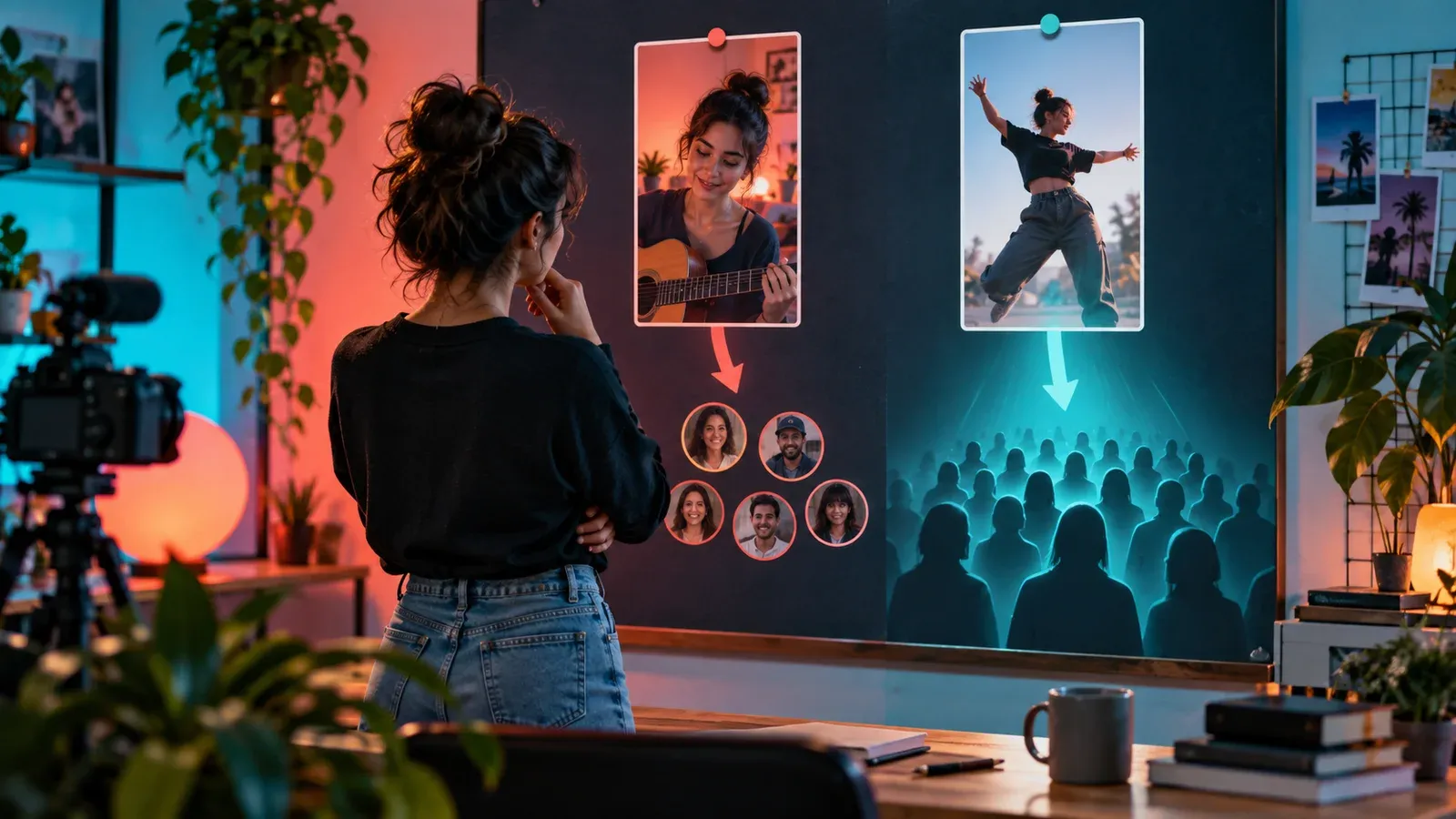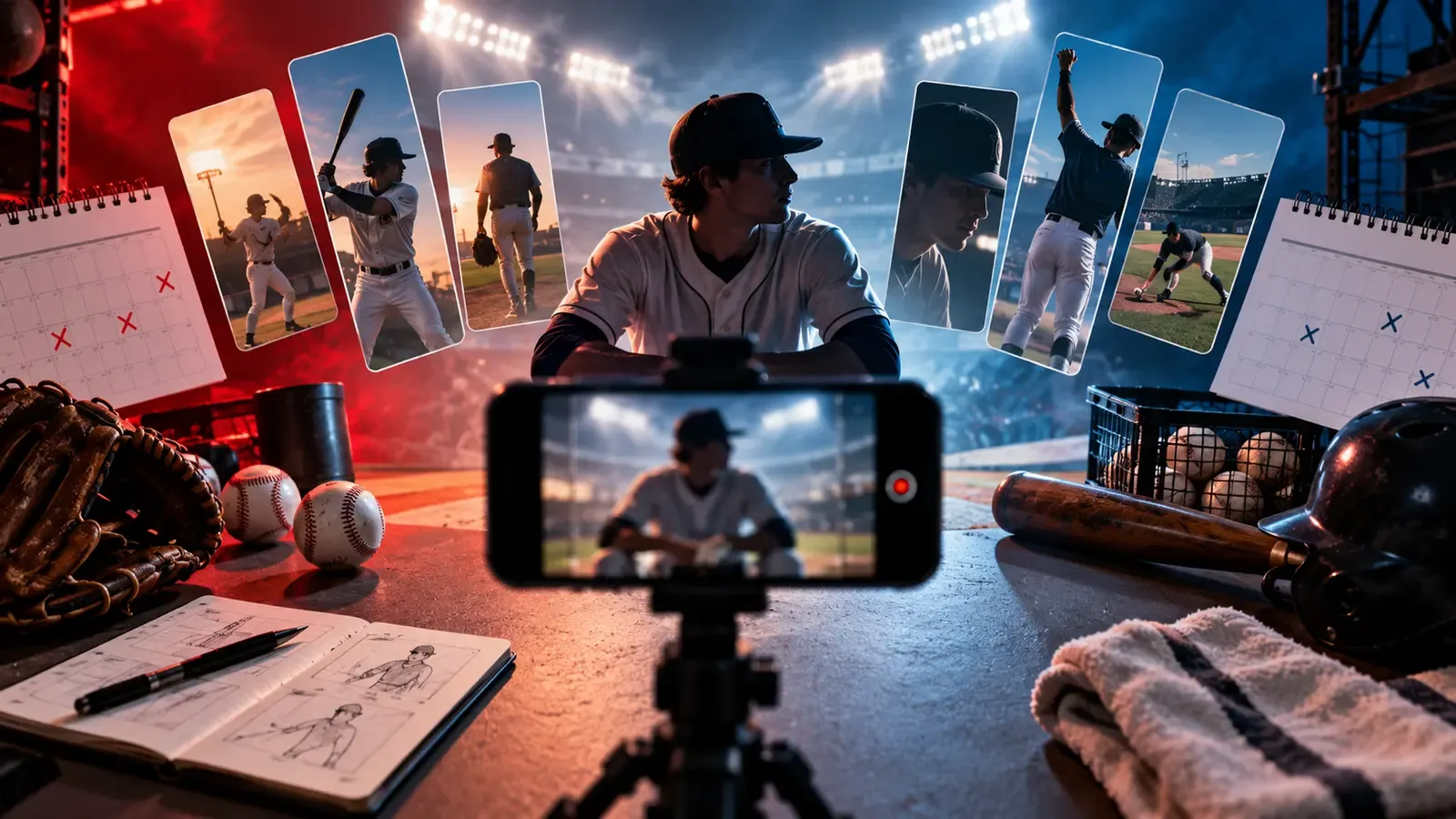
A series fails long before the camera turns on when every episode is merely “about the same niche.” Viewers recognize a series through a repeated promise: a dependable kind of problem, transformation or perspective. The individual episodes can vary widely, but they need enough shared structure to feel like installments rather than unrelated posts wearing the same cover style.
This tutorial builds that structure with a simple promise–proof–payoff board. It does not depend on a particular Instagram editing feature, and it avoids claims about a secret Reels algorithm. You will leave with a series statement, an episode bank, a visual grammar and a filming schedule that can survive a busy week.
Define the series promise
Name the recurring viewer problem in plain language rather than describing your broad niche. This matters because plan a cohesive Reels series depends on the viewer experiencing a coherent chain of decisions, not a pile of isolated optimizations. Apply the idea to one real draft, record what changed, and keep the evidence alongside the project so the next decision starts from observation rather than memory.
Specify the transformation each episode can deliver within its realistic running time. In practical terms, inspect the material at normal viewing speed and then again frame by frame where necessary. Ask what a first-time viewer can actually infer. If the answer relies on knowledge that exists only in the creator's head, revise the scene, wording or sequence until the intended meaning is visible.
Add a boundary that tells you which tempting ideas belong elsewhere. The useful standard is not perfection; it is a clear reason for the choice. Write that reason in the production notes. When results differ from expectations, you can then distinguish a weak hypothesis from poor execution, unusual distribution or a context that changed after publication.
Choose a repeatable proof format
Decide whether proof will be a demonstration, comparison, teardown, experiment or narrated example. A common mistake is to solve the easiest visible symptom while leaving the underlying mismatch intact. Before changing anything, name the audience, the promised outcome and the evidence the viewer receives. That short check prevents technical polish from disguising an editorial problem.
Make the evidence visible early enough that the series does not feel like repeated setup. Treat this as a checkpoint rather than a rigid rule. Different subjects, audiences and platforms can require different pacing and presentation. Preserve the principle, test the implementation on representative material, and adapt only when the evidence gives you a specific reason.
Use the same proof logic without forcing every episode into identical shots. This matters because plan a cohesive Reels series depends on the viewer experiencing a coherent chain of decisions, not a pile of isolated optimizations. Apply the idea to one real draft, record what changed, and keep the evidence alongside the project so the next decision starts from observation rather than memory.

Design a truthful payoff
Write the promised outcome before scripting the route toward it. In practical terms, inspect the material at normal viewing speed and then again frame by frame where necessary. Ask what a first-time viewer can actually infer. If the answer relies on knowledge that exists only in the creator's head, revise the scene, wording or sequence until the intended meaning is visible.
Scale the payoff to what one Reel can genuinely establish and avoid inflated transformations. The useful standard is not perfection; it is a clear reason for the choice. Write that reason in the production notes. When results differ from expectations, you can then distinguish a weak hypothesis from poor execution, unusual distribution or a context that changed after publication.
Leave the viewer with a usable decision, action or observation rather than only a slogan. A common mistake is to solve the easiest visible symptom while leaving the underlying mismatch intact. Before changing anything, name the audience, the promised outcome and the evidence the viewer receives. That short check prevents technical polish from disguising an editorial problem.
Build the episode board
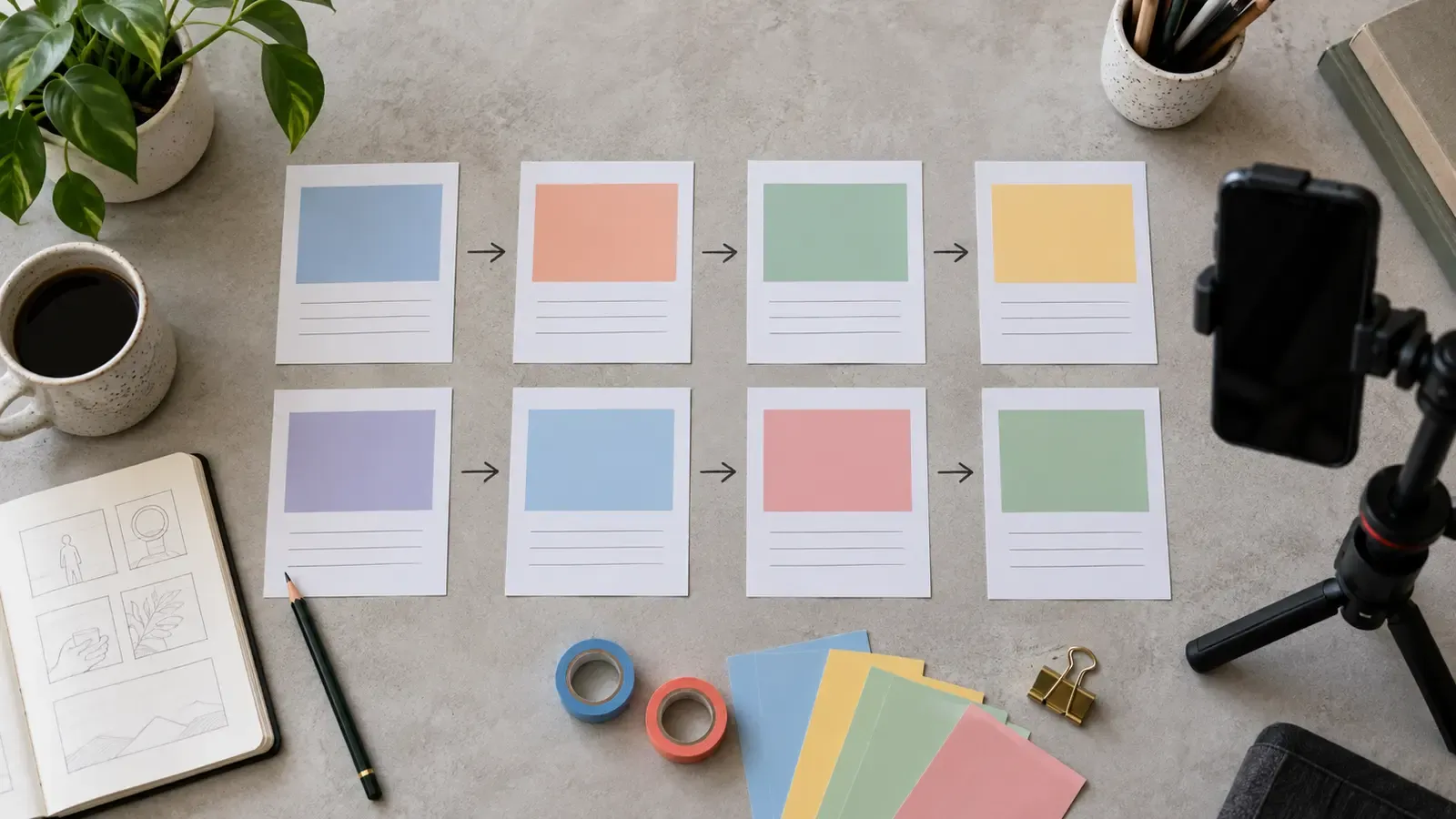
Create cards for audience question, opening image, proof beats, payoff and optional follow-up. Treat this as a checkpoint rather than a rigid rule. Different subjects, audiences and platforms can require different pacing and presentation. Preserve the principle, test the implementation on representative material, and adapt only when the evidence gives you a specific reason.
Arrange cards physically so weak transitions and overloaded episodes become visible. This matters because plan a cohesive Reels series depends on the viewer experiencing a coherent chain of decisions, not a pile of isolated optimizations. Apply the idea to one real draft, record what changed, and keep the evidence alongside the project so the next decision starts from observation rather than memory.
Keep a parking area for good ideas that do not support the current series promise. In practical terms, inspect the material at normal viewing speed and then again frame by frame where necessary. Ask what a first-time viewer can actually infer. If the answer relies on knowledge that exists only in the creator's head, revise the scene, wording or sequence until the intended meaning is visible.
Create a visual grammar
Choose two or three recurring visual cues such as framing, color or opening movement. The useful standard is not perfection; it is a clear reason for the choice. Write that reason in the production notes. When results differ from expectations, you can then distinguish a weak hypothesis from poor execution, unusual distribution or a context that changed after publication.
Protect readability at small card sizes and keep essential subjects away from crop-prone edges. A common mistake is to solve the easiest visible symptom while leaving the underlying mismatch intact. Before changing anything, name the audience, the promised outcome and the evidence the viewer receives. That short check prevents technical polish from disguising an editorial problem.
Vary locations and B-roll while retaining enough continuity for recognition. Treat this as a checkpoint rather than a rigid rule. Different subjects, audiences and platforms can require different pacing and presentation. Preserve the principle, test the implementation on representative material, and adapt only when the evidence gives you a specific reason.
Write openings without cloning yourself
Hold the promise stable while rotating question, result-first, mistake and demonstration openings. This matters because plan a cohesive Reels series depends on the viewer experiencing a coherent chain of decisions, not a pile of isolated optimizations. Apply the idea to one real draft, record what changed, and keep the evidence alongside the project so the next decision starts from observation rather than memory.
Make the first visual carry meaning even before a viewer processes the caption. In practical terms, inspect the material at normal viewing speed and then again frame by frame where necessary. Ask what a first-time viewer can actually infer. If the answer relies on knowledge that exists only in the creator's head, revise the scene, wording or sequence until the intended meaning is visible.
Avoid manufacturing conflict or certainty simply because a louder hook seems easier. The useful standard is not perfection; it is a clear reason for the choice. Write that reason in the production notes. When results differ from expectations, you can then distinguish a weak hypothesis from poor execution, unusual distribution or a context that changed after publication.
Batch by production need
Group shots by location, lighting and equipment rather than filming episodes strictly in order. A common mistake is to solve the easiest visible symptom while leaving the underlying mismatch intact. Before changing anything, name the audience, the promised outcome and the evidence the viewer receives. That short check prevents technical polish from disguising an editorial problem.
Capture clean room tone, cutaways and alternate openings while the setup is already built. Treat this as a checkpoint rather than a rigid rule. Different subjects, audiences and platforms can require different pacing and presentation. Preserve the principle, test the implementation on representative material, and adapt only when the evidence gives you a specific reason.
Track continuity details so batching does not create distracting visual jumps inside an episode. This matters because plan a cohesive Reels series depends on the viewer experiencing a coherent chain of decisions, not a pile of isolated optimizations. Apply the idea to one real draft, record what changed, and keep the evidence alongside the project so the next decision starts from observation rather than memory.
Review the series as a portfolio
Compare whether episodes attract the intended questions, saves, replies and profile actions. In practical terms, inspect the material at normal viewing speed and then again frame by frame where necessary. Ask what a first-time viewer can actually infer. If the answer relies on knowledge that exists only in the creator's head, revise the scene, wording or sequence until the intended meaning is visible.
Identify which proof formats travel well and which work only for existing followers. The useful standard is not perfection; it is a clear reason for the choice. Write that reason in the production notes. When results differ from expectations, you can then distinguish a weak hypothesis from poor execution, unusual distribution or a context that changed after publication.
Retire or reshape the series when the promise no longer creates useful variation. A common mistake is to solve the easiest visible symptom while leaving the underlying mismatch intact. Before changing anything, name the audience, the promised outcome and the evidence the viewer receives. That short check prevents technical polish from disguising an editorial problem.
Protect your originals and rights
Maintain organized source files, project files and export versions for your own media. Treat this as a checkpoint rather than a rigid rule. Different subjects, audiences and platforms can require different pacing and presentation. Preserve the principle, test the implementation on representative material, and adapt only when the evidence gives you a specific reason.
Save media you created, own, or have permission or another lawful right to save. This matters because plan a cohesive Reels series depends on the viewer experiencing a coherent chain of decisions, not a pile of isolated optimizations. Apply the idea to one real draft, record what changed, and keep the evidence alongside the project so the next decision starts from observation rather than memory.
Get clear permission before incorporating someone else’s footage, music, likeness or branded material. In practical terms, inspect the material at normal viewing speed and then again frame by frame where necessary. Ask what a first-time viewer can actually infer. If the answer relies on knowledge that exists only in the creator's head, revise the scene, wording or sequence until the intended meaning is visible.
Keep a decision log
A decision log turns plan a cohesive Reels series into a process that another person—or your future self—can audit. Record the project, intended audience, working assumption, selected change and the evidence you expect to observe. Add the date and the version of the source material. This is deliberately lighter than a formal report, but it prevents a successful result from becoming a vague memory and a failed result from being dismissed without learning.
Include rejected options as well as the chosen one. For this workflow, the most useful rejected options are usually changes that solved a surface symptom, exceeded the available production time or weakened the promise to Instagram creators who have ideas but struggle to turn them into a recognizable series. A short reason is enough. The record becomes especially valuable when several people handle planning, filming, editing and publication, because it exposes where assumptions changed between stages.
Review the log only after the agreed observation window. Mark what you know, what remains uncertain and what you would test next. Do not rewrite the original hypothesis to make the outcome look predictable. Honest production records improve editorial judgment, protect factual integrity and help creators reuse the parts of a workflow that actually earned their place.
Put the workflow into practice
The strongest next step is deliberately small: choose one active project, use the checkpoints above, and save the decisions with the source material. That creates a usable feedback loop instead of a collection of disconnected tips. Continue with Diagnose Short-Form Video Retention Without Chasing Benchmarks, or browse the AnyVid.io blog for more production and planning resources. If you need to preserve reference media, work only with media you created, own, or have permission or another lawful right to save, and review the site terms for the applicable service conditions.
Frequently asked questions
How many episodes should I plan before launching a Reels series?
Plan enough episodes to prove the promise has range—often a small initial run is more useful than an enormous calendar. A six-episode board can reveal repetition without locking you into months of production. Adjust the number to your publishing capacity and the complexity of each episode.
Should every Reel in a series use the same opening?
No. Repetition can aid recognition, but an identical opening can become predictable and may not fit every episode. Keep the underlying promise and a few visual cues consistent while varying the first sentence, first image and route to proof.
Do matching covers make posts a real series?
Matching covers help people scan a profile, but they cannot replace a coherent editorial promise. A strong series still feels related when the cover is hidden because the episodes solve connected problems with a recognizable point of view and proof method.
Can I repurpose my own series on other platforms?
Yes, when you own the media and adapt it to the destination rather than blindly reposting. Recheck captions, safe areas, music rights, pacing and context. Keep an editable master so platform-specific changes do not require rebuilding from a compressed upload.
What should I do when one episode performs much better?
Study which question, proof format and audience source made it different. Create a related follow-up only if the winning element fits the series promise. Copying surface details without understanding the reason can produce a weaker episode and narrow the series too quickly.
Was this article helpful?
Tell us what worked so we can improve future content.